Pom Pom Mom: A Designer’s Real-World Embroidery Review
As a designer who has spent years digitizing patterns and testing them on everything from stiff denim to delicate baby knits, I approach every new machine embroidery design with a healthy dose of skepticism. We have all been there: you download a cute graphic, load it onto your machine, and watch in horror as the thread bunches up or the details vanish into the fabric. That is why I took a close look at Pom Pom Mom before committing it to a client project. This isn’t just about whether the image looks good on a screen; it is about how it performs as a tangible embroidery project.
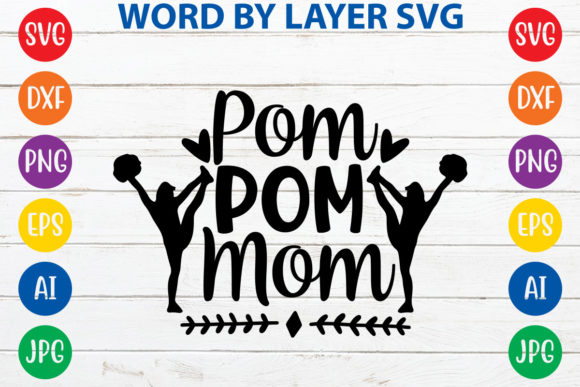
The first thing that strikes you about Pom Pom Mom is its playful, approachable energy. It captures a specific mood—warm, whimsical, and slightly nostalgic—that resonates deeply with current trends in handmade goods. For those of us running a craft business or selling on Etsy, finding designs that bridge the gap between professional polish and homemade charm is essential. This design fits squarely into that sweet spot. However, its visual appeal is only half the battle. The real test lies in how these curves and shapes translate into thread.
From Digital File to Stitched Reality
Let’s talk about the technical side. The product description specifies that you receive a .zip file containing an Ai file, an SVG file, Word By Layer SVG files, and a PNG file. It is crucial to note that this is a digital download only; there is no physical product shipped to you. For embroidery purposes, the presence of SVG and Ai files suggests this is primarily a vector-based graphic intended for cutting or printing, but many modern embroiderers use these layered files to create custom appliqué or satin stitch outlines in their digitizing software.
If you are planning to use this as a direct embroidery file, you must ensure you have the appropriate digitized version (such as PES, DST, or JEF) compatible with your machine, or be prepared to digitize it yourself using the provided vector layers. The "Word By Layer" feature is a significant advantage here. It allows you to isolate specific elements of the design. In a real-world scenario, this means you can change thread colors for different parts of the text or graphic without affecting the whole. This flexibility is vital for creating unique personalized gifts where a customer might want a specific color palette to match their nursery decor or brand identity.
Real-Case Application: The Custom Tote Bag
To truly evaluate Pom Pom Mom, I imagined applying it to a popular item: a heavy canvas tote bag. This is a staple for any Etsy seller or small shop owner. Canvas provides a stable base, which is ideal for maintaining the integrity of the design’s shapes. When visualizing the stitching, I considered the balance between satin stitch borders and fill stitch areas. If the design relies heavily on dense fills, the canvas needs to be hooped tightly with a cut-away stabilizer to prevent puckering.
The layout of Pom Pom Mom suggests it works well as a central focal point. On a tote, this could serve as a charming statement piece. However, if you are scaling it down for a smaller item, like a baby onesie or a pocket patch, you need to be cautious. Tiny details can get lost if the stitch density is too high or if the resolution drops. I always recommend creating a printable mockup first. By placing the PNG file onto a photo of your intended product, you can gauge the visual weight. Does it look cluttered? Is there enough negative space? These questions determine whether the finished product will look professional or amateurish.
Navigating Fabric and Hoop Constraints
One of the most critical aspects of using any new design is understanding its limitations. Pom Pom Mom features organic, rounded shapes that generally stitch out cleanly, but context matters. If you are working with stretchy fabrics like jersey for custom apparel or sweatshirts, you must use a stabilizer that counteracts the stretch. Without it, the design may distort after washing. Similarly, if you are attempting sweatshirt embroidery, the nap of the fleece can swallow fine details. In such cases, simplifying the design or using an appliqué technique—where a piece of fabric is stitched down rather than filled with thread—can yield a cleaner result.
For those interested in embroidered patch creation, this design could be excellent. Patches allow you to control the backing and stabilizer completely, ensuring crisp edges. However, if you plan to stitch directly onto curved surfaces like caps, you must check the hoop size compatibility. A design that is too wide will not fit standard cap frames, and forcing it can lead to misalignment. Always measure your hoop’s usable area against the dimensions of the SVG or Ai file before you begin.
Commercial Viability and Brand Consistency
For commercial embroidery professionals, consistency is key. When you sell a handmade product, customers expect a certain level of quality. Pom Pom Mom offers a versatile aesthetic that can fit into various niches, from baby embroidery to holiday embroidery themes. Its adaptability makes it a strong asset for building a cohesive brand. If you are a small shop product creator, using a design with clear, distinct layers allows you to offer customization options without extra labor. You can easily swap thread colors to match seasonal trends, keeping your inventory fresh.
However, transparency with your customers is vital. Since this is a digital asset, ensure you understand the licensing terms. Can you sell the physical items you make with this design? Can you resell the digital file itself? Most designers allow the sale of finished physical goods but prohibit the redistribution of the digital file. Always verify this to protect your business and respect the creator’s intellectual property.
Practical Designer Notes for Best Results
Before you commit to a full production run, follow these practical steps to ensure success with Pom Pom Mom:
- Test on Scrap Fabric: Never stitch a new design directly on your final garment. Use a similar fabric scrap to test tension and density.
- Check Thread Contrast: View the design in black and white. If the details disappear, you may need to adjust your thread colors or simplify the stitch path.
- Inspect Small Details: Zoom in on the SVG or Ai file. Are there tiny anchor points or complex corners that might cause thread breaks?
- Verify File Formats: Ensure you have the correct digitized embroidery file format for your machine. The provided SVG and Ai files are great for editing but may need conversion.
- Consider Fabric Texture: Rough textures like linen may require heavier threads or adjusted density to ensure visibility.
In conclusion, Pom Pom Mom is a promising addition to your library of design assets. It offers the flexibility needed for modern Crafts and Graphics projects, provided you approach it with a designer’s eye for detail. By considering fabric choice, stabilizer needs, and proper scaling, you can transform this digital file into a high-value personalized gift or a best-selling item in your online store. Remember, the best embroidery designs are not just pretty pictures; they are engineering challenges that, when solved correctly, result in beautiful, durable art.